
European Nights and EPL Betting: How Continental Fixtures Reshape Weekend Markets
 Available in US
The European midweek is the single most disruptive factor in Premier League betting that the casual punter doesn’t fully understand. Six to eight EPL sides play Champions League, Europa League, and Europa Conference League fixtures in midweek windows that scatter across the autumn and spring. Those midweek matches shape the following weekend’s Premier League fixtures in ways that the headline form figures don’t capture, and the resulting EPL pricing inefficiencies are persistent enough to be worth exploiting. UK remote football GGY hit £1.3 billion in the year to March 2025 — and the European-impacted Premier League weekends represent a meaningful share of that volume.
What I’ll lay out here is how European competition affects EPL fixtures, what the market consistently misses, and where the most reliable betting angles appear.
The Rotation Question and Its Pricing
EPL sides with European fixtures rotate their Premier League line-ups around them. The rotation rate varies enormously by club, manager, and the relative importance of each competition. A club fighting for the Premier League title and in the Champions League group stage might rotate heavily for Europa League ties but barely at all for EPL fixtures. A club entrenched in mid-table but with European football alongside might rotate the league fixtures to prioritise European progression.
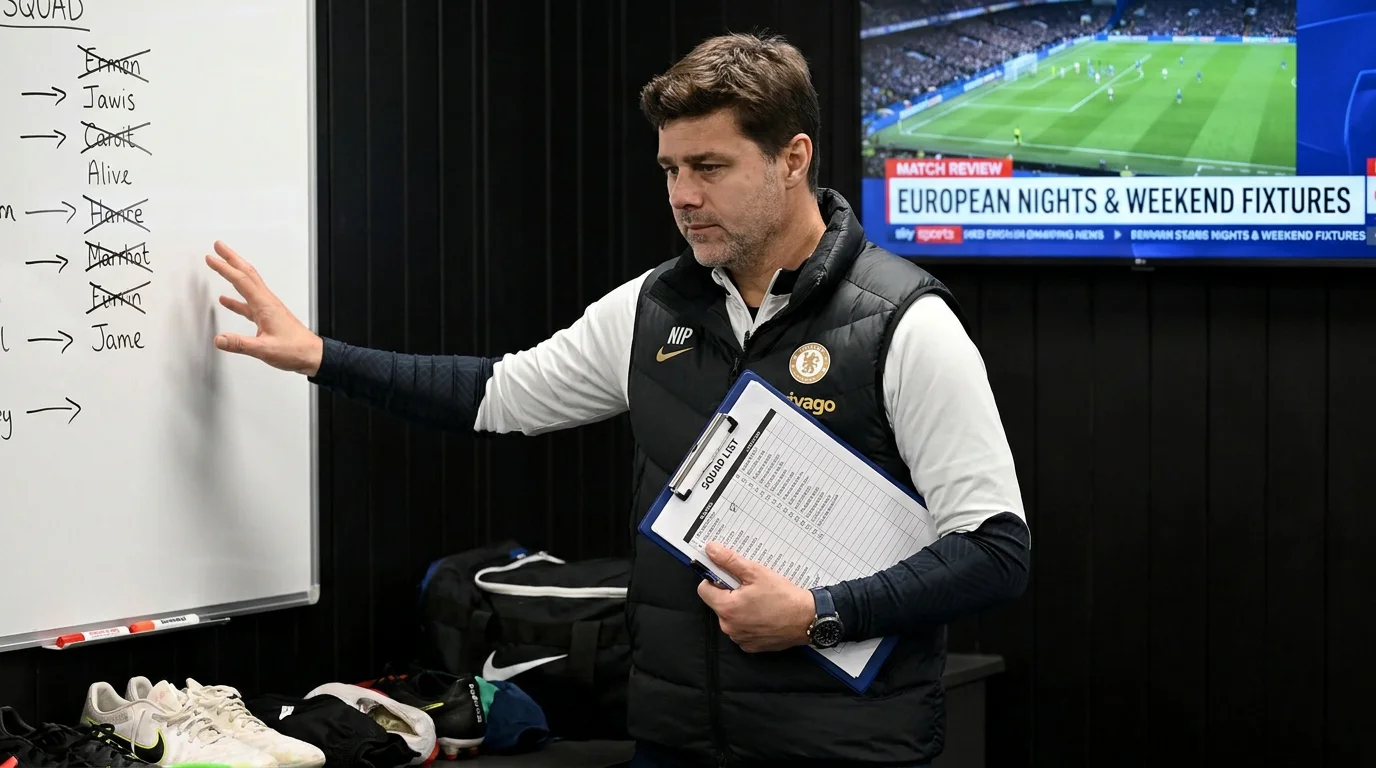
The market reads rotation imperfectly. The pre-match line on a Premier League fixture involving a club that played a tough European midweek match doesn’t always fully price the rotation expectation. The fixture price might shift toward the European-club’s opponent by a small amount, but the magnitude of the shift is often less than the underlying rotation depth would warrant.
The cleanest pricing inefficiency I find consistently: an EPL side away from home on a Saturday lunch-time kick-off after a Wednesday-night Champions League away trip. The combined effect of the European travel, the short turnaround, and the lunch-time kick-off produces an underperformance below the team’s headline form. The pricing typically applies a small shift but not enough to fully compensate for the structural disadvantage.
The cleanest opposite case is an EPL side at home on a Sunday after a Tuesday-night home European match. The team has had four days of recovery, no travel, and home crowd advantage. The fixture price often shifts toward the opposing side based on the “European hangover” narrative, when the actual recovery time and home advantage have neutralised most of the disruption.
The European Travel Distance Factor
Not all European trips are equal. A Tuesday-night Champions League match in Belgium has a different recovery profile than a Wednesday-night Europa League match in Cyprus or Turkey. The total travel distance, the time zone difference (small for Western Europe, significant for Eastern Europe), and the recovery window before the weekend EPL fixture all affect the team’s likely performance.

The bookmaker’s pricing typically applies a flat “European fixture” adjustment that doesn’t distinguish between near-Europe and far-Europe trips. The structural inefficiency is that distant European trips produce more substantial weekend underperformance than the standard adjustment captures.
The specific pricing inefficiency I find most consistently: EPL sides returning from far-Europe trips (Eastern European, Russian-side replacements, distant Mediterranean) and playing Saturday-evening fixtures. The recovery time isn’t sufficient, the travel disruption is real, and the fixture often plays out at a tempo below the team’s normal home or away rhythm.
The opposing-side angle is also worth tracking. An EPL side without European football in a given week is structurally fresher than their European-competing opponent. If both sides are otherwise comparable, the freshness advantage can be the deciding factor — and the pricing doesn’t always fully reflect it.
The Knockout-Phase Pressure
The pressure dynamics shift as European competition moves from group stage to knockout phase. Group-stage matches in the autumn are typically lower-stakes — clubs need to qualify but the per-match pressure is distributed across six matches. Knockout-phase matches in February through May are higher-stakes — a single bad result eliminates the team from the competition.

The Premier League fixture preceding a high-stakes European knockout tie typically sees the EPL club rotate more heavily than they would before a routine group-stage match. The market often prices the pre-knockout league fixture as a normal fixture and misses the elevated rotation that produces structural underperformance.
The specific bet that I find most consistently profitable: EPL clubs in the round-of-sixteen or quarter-finals of the Champions League, playing their league fixture immediately before a knockout away leg, against an opponent of comparable league standing. The favoured EPL side typically rotates more aggressively than the market expects, and the opposing side has structural value at the standard fixture price.
The opposite-side angle works as well. An EPL club that’s just been eliminated from European competition the previous midweek often plays the following weekend’s league fixture with elevated focus — the European campaign has ended, the Champions League consolation has passed, and the league is the remaining prize. The market sometimes prices these post-elimination fixtures as routine when the team’s actual commitment level is higher than usual.
The Group-Stage Calendar Pattern
The Champions League and Europa League group stages run from September through December in six matchday windows, with each week’s matches spread across Tuesday-Wednesday-Thursday. The calendar pattern produces predictable EPL fixture disruptions, and the disruption pattern is consistent enough across seasons to be incorporated into betting analysis.

The matchday-three and matchday-four window — typically late October to early November — is the highest-disruption window because clubs are typically still uncertain about group-stage progression. The matchday-five and matchday-six window — late November to early December — has selective rotation based on whether each club’s progression is already settled. Clubs with confirmed qualification rotate heavily; clubs still fighting for points play closer to full strength.
The implication for EPL betting: the pre-Christmas weekends produce predictable rotation patterns that the market sometimes prices inconsistently. Clubs with European-elimination scenarios already locked-in tend to rotate more heavily than the pricing reflects, producing value on their league opponents.
The post-international-break January window restarts the analysis. The Champions League returns in mid-February, and the rotation dynamics for the league fixture preceding round-of-sixteen knockout matches are different from the group-stage equivalents — clubs treat the knockout more seriously and rotate league fixtures more aggressively in preparation.
The Wembley Final and Season-End Dynamics
The final stages of European competition fall in May, which is also the climax of the Premier League title race, the relegation battle, and the play-off positioning. The convergence creates fixture-list pressure that affects how clubs allocate their squad attention.
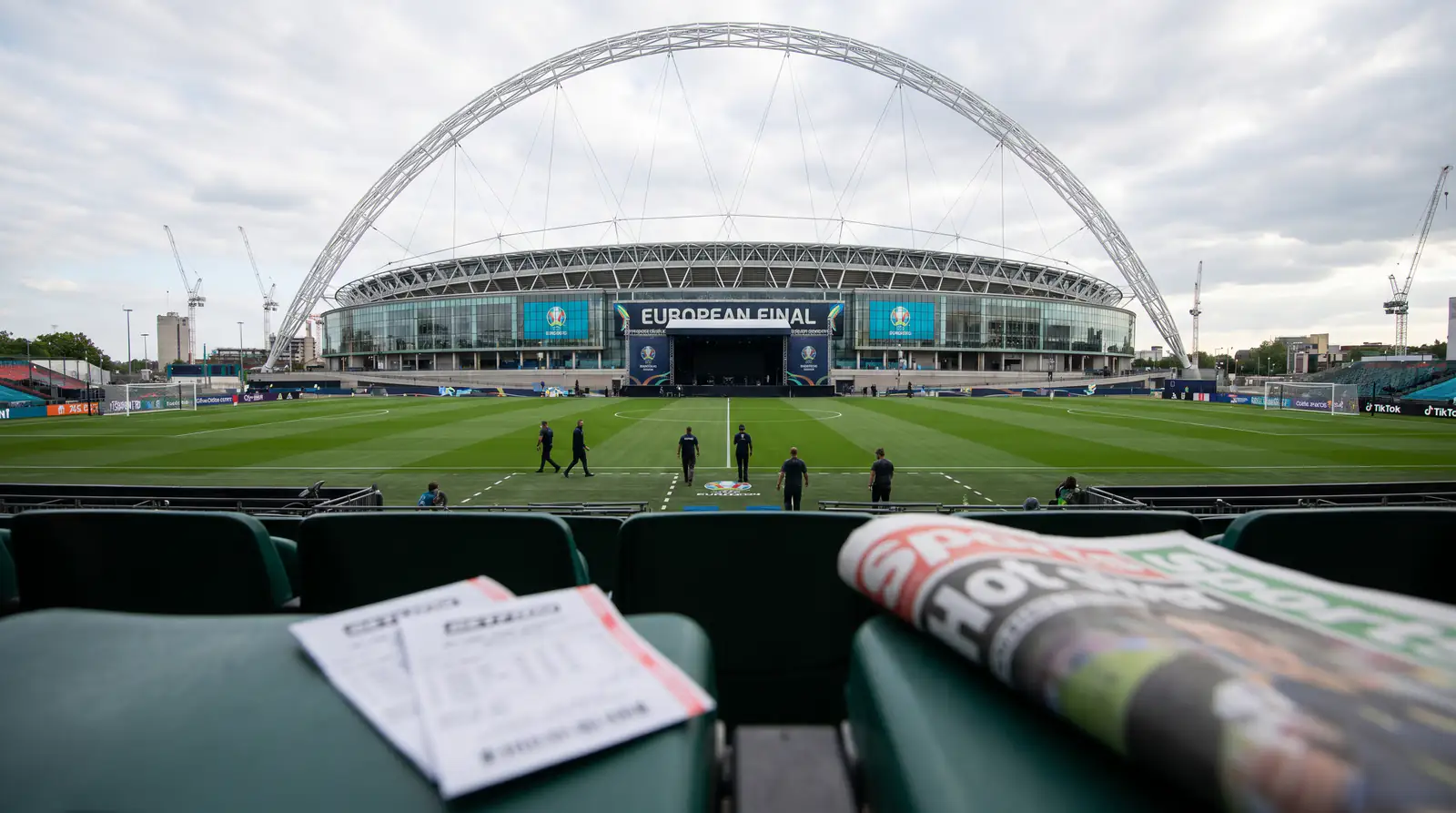
A club still fighting for a top-four EPL finish while in the Champions League semi-finals has impossible choices. They can’t prioritise both simultaneously. The market reads these choices imperfectly — clubs often communicate publicly that “both competitions are important” while internally prioritising one over the other. The hint at internal prioritisation comes from the actual line-ups they select, and tracking those choices across the season tells you which competition each club is genuinely treating as primary.
The specific pricing inefficiency at this stage is on the league fixture between the semi-final’s first and second legs. The favoured club, focused on the European tie, typically rotates the league fixture more heavily than the market reflects. Backing the opposing side at the standard fixture price often offers value that doesn’t exist at any other point in the season.
The post-European-final period is the mirror image. A club that’s just won (or lost) a European final the previous midweek plays the final EPL fixtures of the season with reduced focus — they’re physically exhausted from the long campaign, mentally either celebrating or recovering, and the league fixtures often produce lower-tempo performances than the season form would suggest. The under-totals markets on these post-final EPL fixtures can be persistent value plays.
For the related question of how all these specific scheduling pressures interact with the broader bankroll management considerations across a long betting season, see the piece on bankroll management for football betting.
