
Best Odds Guaranteed: How BOG Concessions Work in UK Football Betting
 Available in US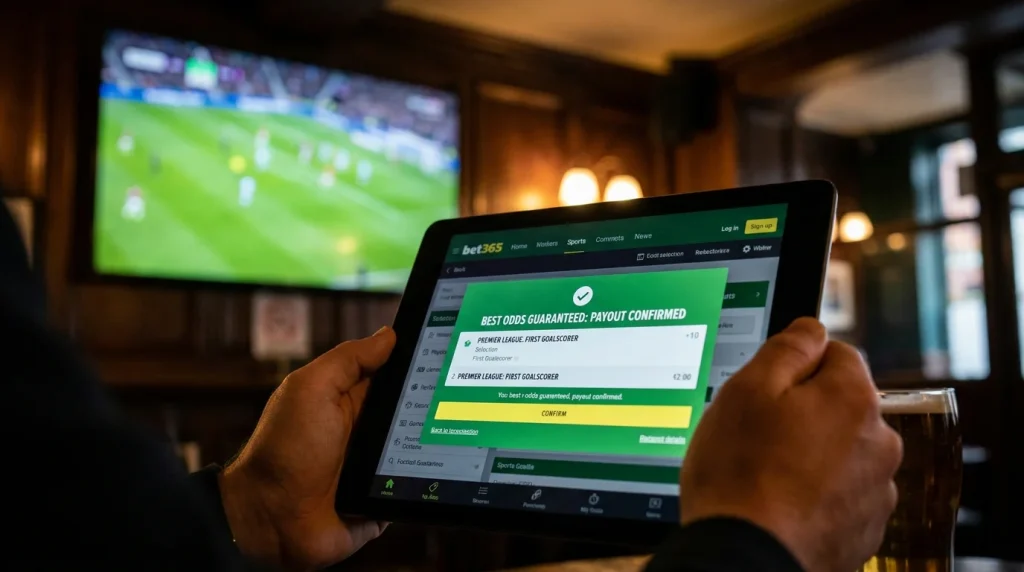
The first time best-odds-guaranteed paid out for me on a football market was a Wednesday-night EFL Cup tie. I’d taken 11/2 on a first goalscorer at midday, the price drifted to 7/1 by kick-off, and the settlement came through at the longer number without me lifting a finger. That single line item — an extra fifteen pounds on a tenner stake — was the moment I realised UK punters seriously underuse one of the few concessions that actually shifts long-term ROI.
UK gross gambling yield from remote betting reached £2.6 billion in the year to March 2025, with football the single largest market at £1.3 billion. Of that turnover, only a slice is placed at prices that subsequently lengthen, and only a slice of that slice ends up on accounts that have BOG attached. Most punters miss it because they don’t know which markets it covers, which operators apply it consistently, and which exclusions quietly erase the value.
What BOG Actually Promises
BOG started life on UK horse racing in 2008. The concession is straightforward: if you take a price on a selection and the starting price — the official price at the moment the race or match begins — is longer, the bookmaker pays you out at the longer price. You can never lose ground by backing early. You can only gain.

On horse racing, “starting price” is a formally calculated industry figure produced by the SP regulator from the on-course market. On football, where there is no equivalent on-course market, operators substitute their own internal price at kick-off as the reference. The mechanism is the same — early price versus kick-off price, you get the longer of the two — but the reference number is set by the bookmaker rather than an independent body.
The payout is automatic on most accounts. Settlement runs after the match closes and the system compares the price taken at stake placement against the kick-off price for the same selection. If the kick-off price is longer, the additional winnings are credited as cash, not as a free-bet token. That cash-versus-tokens distinction matters more than people realise — free-bet credits typically void the stake on settlement, while genuine BOG additions arrive as withdrawable balance.
The concession is genuinely valuable when the market on your selection moves against the bookmaker between your bet placement and kick-off. If you’ve spotted information early — a late team-news change, an emerging weather pattern, a sharper read on form than the opening price reflected — BOG locks in your initial value while letting you ride any further drift.
BOG on Football Versus Horse Racing
The concession lives on racing far more comfortably than on football, and the reason is structural. Horse racing markets have a well-defined opening price, a continuously updated forecast, and a formal SP. Football markets, especially on EFL Championship and lower leagues, are thinner, less liquid, and far more prone to bookmaker-driven price shifts that have nothing to do with genuine information flow.
UK gross gambling yield from remote horse-race betting was £771.1 million in the year to March 2024 — sizeable but well below football’s £1.1 billion in the same period. The market depth, however, runs the other way. Racing books trade more aggressively because the SP system creates a natural reference point, and BOG fits the architecture cleanly.
On football, you’ll find BOG offered broadly on match-result, first-goalscorer, and anytime-goalscorer markets — and almost never on bet builders, accumulators, or specials. Goal-line markets like over/under 2.5 sometimes qualify and sometimes don’t, depending on the operator’s terms. The pattern is that BOG attaches itself to markets where pre-match price drift is the norm and stays away from markets the bookmaker considers structurally lower-margin.
For a UK football punter, this means the highest-value application is consistent early-morning betting on first-goalscorer and anytime-goalscorer markets, where prices on lower-volume names move significantly between Monday opening lines and Saturday three o’clock kick-off. The math favours you provided your initial price judgement was decent.
Which UK Operators Offer BOG and on What Terms
I won’t put operator names on a value scoreboard here — that’s not my job. What I will say is that the offering varies meaningfully across the UK market and the variation isn’t always obvious from the marketing copy. Some operators offer BOG on all UK and Irish racing plus EPL win-draw-win and goalscorer markets. Some restrict it to racing only. Some attach a maximum-stake cap that erases the value above a certain threshold. Some require an opt-in inside the account settings that punters miss for months.
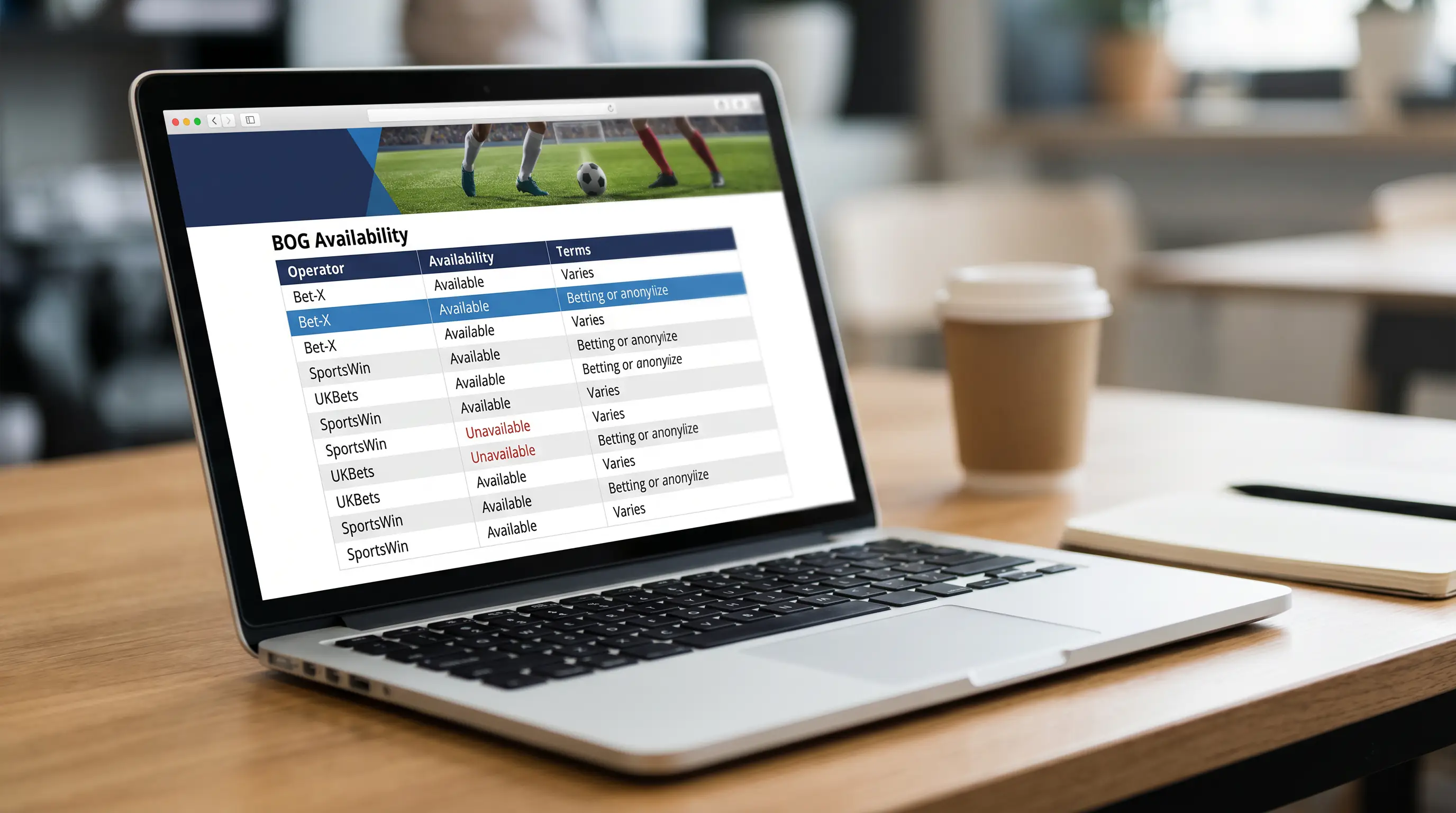
The disclosure for these concessions is buried in the same terms-and-conditions documents that nobody reads. If BOG matters to your strategy — and for any bettor placing first-goalscorer or early-morning win-draw-win plays, it should — you need to read the football-specific BOG terms on every operator you use. Not the headline. The terms.
The relevant questions to ask of any operator’s BOG terms: which exact football markets qualify, what is the reference price (kick-off, official SP, or operator-internal price), is there a maximum stake or maximum payout cap, does BOG stack with other promotions like enhanced odds, and does the concession require an opt-in. If the terms are unclear on any of those points, treat the concession as not reliably available.
The Hidden Conditions That Quietly Erase Value
BOG sounds like a clean win for the punter. In practice the value is eroded by a series of exclusions that most punters never bump into until they need them.

The first exclusion is the boosted-price clash. If you take an enhanced price — say, a “price boost” offered on a particular EPL fixture — BOG typically doesn’t apply on top. You’ve already received a concession, and the operator’s logic is that you can’t double-dip. This is the single most common reason a punter checks settlement and finds BOG hasn’t kicked in despite the kick-off price being longer.
The second is the bet-builder exclusion. Same-game bet builders combine multiple selections into a single quoted price using a proprietary correlation model. Operators almost universally exclude builders from BOG because the underlying pricing isn’t a simple market price they can compare against a kick-off equivalent. If a chunk of your football turnover sits in builders, that turnover gets none of the BOG upside.
The third is the cash-out clash. Cash out an in-play position and you’ve voluntarily settled the bet at the operator’s offered exit price. BOG no longer applies because the original bet has already been resolved by your action, not by the match outcome. This matters more than it sounds — punters who cash out a goalscorer bet at half-time to lock in profit walk away from any BOG addition that would have applied at full-time settlement.
The fourth is the void-bet exclusion. If your selection is voided for any reason — match abandoned, player not in the matchday squad on a first-goalscorer, late line-up changes that trigger market suspension rules — your bet is refunded at stake and BOG simply doesn’t enter the conversation.
And the fifth, less visible exclusion is account-level. If your account has been flagged for limit-setting, restricted to reduced stakes, or placed on a promotion-restricted footing for any reason, BOG can quietly drop off your eligible concessions without an explicit notification. The terms allow operators to do this. Few punters notice until they audit a few months of settlements.
When BOG Actually Pays the Punter
Strip out the exclusions and BOG pays in three distinct situations that recur across an English football season.
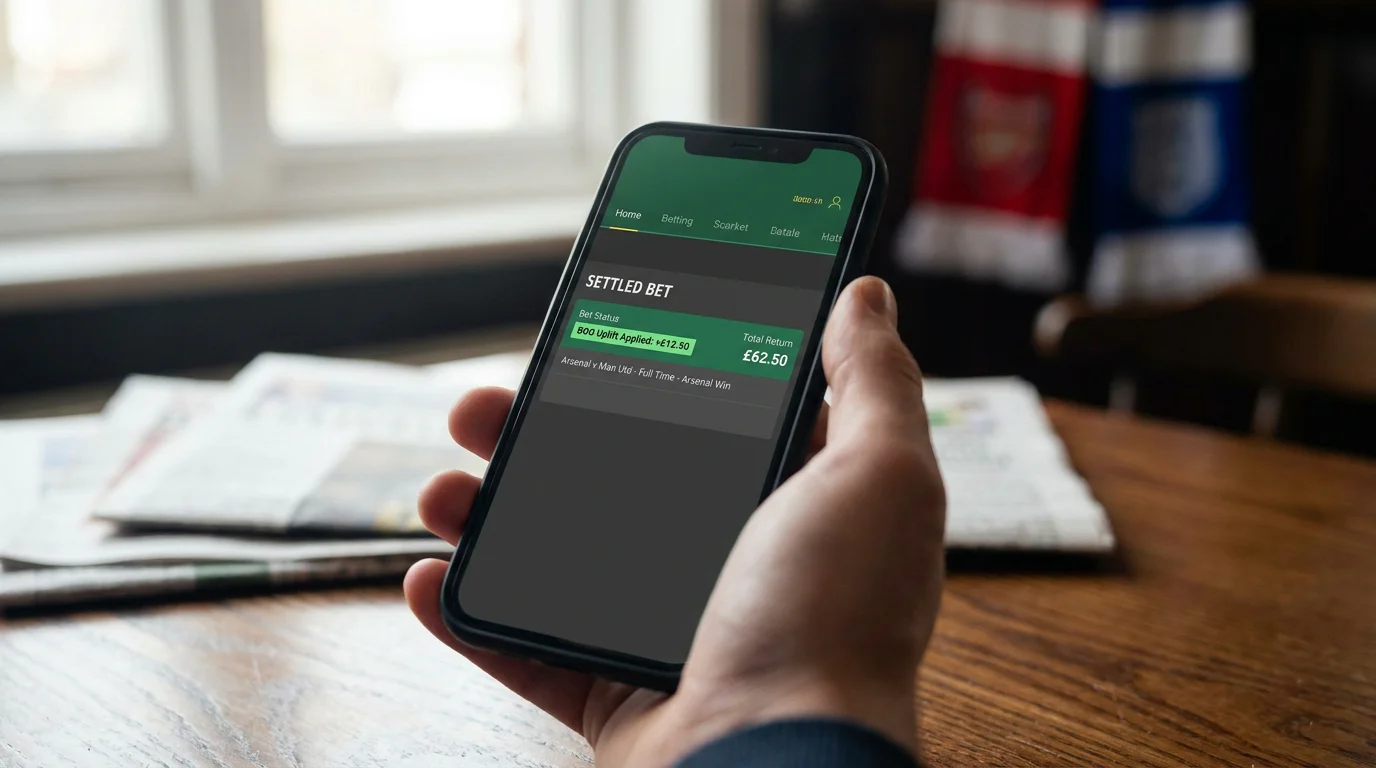
The first is early-morning placement on midweek EFL Championship and EFL Cup ties. Markets on these fixtures are thinner than EPL equivalents, prices move more between morning opening and evening kick-off, and the direction of drift on selections you’ve identified through xG or form analysis is more likely to be in your favour. If you’re betting Tuesday-night Championship at nine in the morning, BOG has the best chance of meaningfully topping up settlement.
The second is first-goalscorer markets on midweek EPL fixtures. Goalscorer pricing on rotational midweek games shifts significantly when team news drops an hour before kick-off, and the direction of those shifts on starting players you backed early is statistically more often a lengthening of the price than a shortening. The market reacts to the team-sheet, and BOG captures whatever extra value the reaction creates.
The third is late-stage outright markets where you’ve taken a price weeks ahead of resolution. Top-scorer outrights, championship promotion outrights, relegation each-way plays — if your selection drifts during the run-in for reasons unrelated to its actual probability shifting against you, BOG locks in the longer settled price. This is the genuinely high-leverage use case and the one most punters never even attempt to exploit.
For markets where cash-out is a frequent temptation, the strategic call is BOG-versus-cash-out. The relevant trade-off and when each is the better play is laid out in the piece on cash out in football betting.
