
Derby Fixtures Betting: How Local Rivalries Distort the Pricing
 Available in US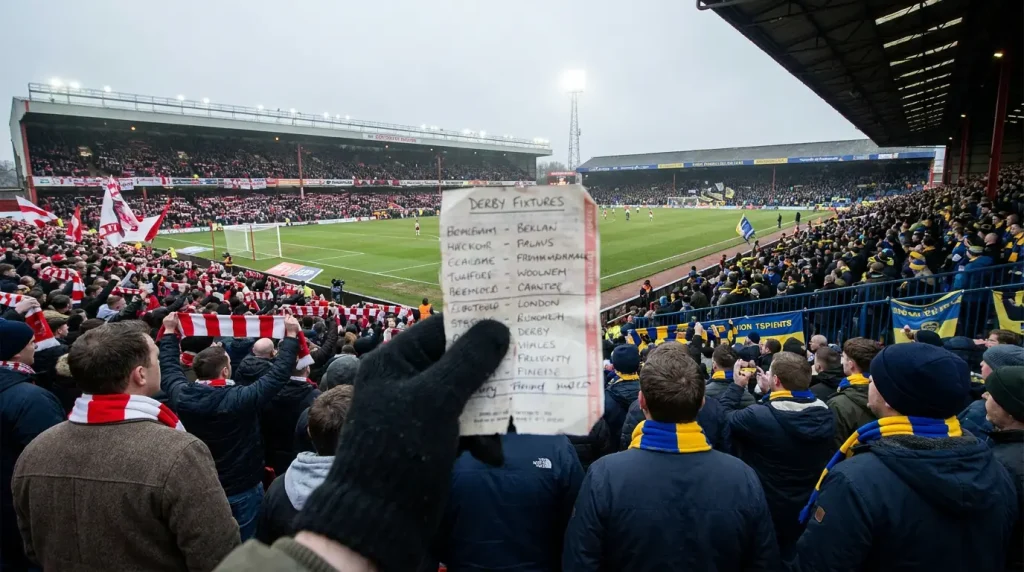
Derbies are the fixtures where form goes out the window and emotional dynamics take over. Every English football season produces ten or so genuinely heated league derbies — the two Manchester derbies, the two Merseyside derbies, the two North London derbies, the various smaller-club rivalries that don’t make the headline schedule but still shape betting markets in distinctive ways. The market consistently misreads these fixtures because the analytical inputs that work on routine fixtures break down when the underlying behavioural dynamics shift dramatically.
The 290 million online bets a month that flow through UK operators include disproportionate volume on derby weekends. The casual money pours in on whichever side is “due” or “in form”, and that casual money creates the inefficiencies the careful bettor exploits.
Why Form Reads Fail in Derbies
The standard analytical inputs for football betting — rolling xG, recent results, tactical setup against expected opposition profile — all assume the participating teams are behaving consistently with their non-derby tendencies. Derbies systematically violate that assumption.
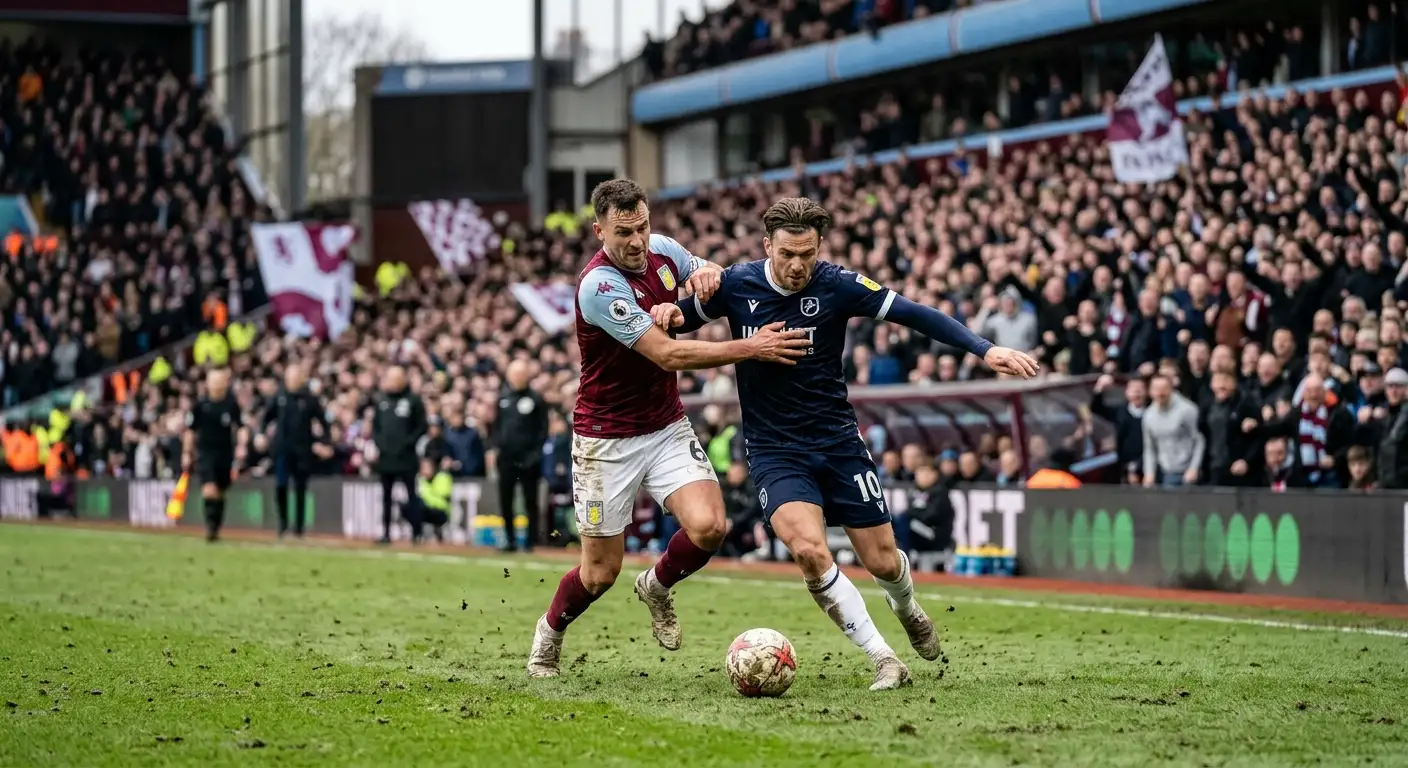
Players who normally play their natural game tighten up under derby pressure. Forwards who are reliable finishers in routine matches sometimes miss easy chances because the crowd weight feels different. Defenders who are usually positionally sound make uncharacteristic positional errors because the tempo of the match is higher than they’re accustomed to. Goalkeepers occasionally produce career-best saves under derby pressure, or career-worst handling errors.
The aggregate effect is that derby outcomes are more variable than non-derby outcomes for the same teams. The underlying probability distribution is wider — the standard deviation of expected outcomes is larger, even though the central tendency might be similar to the non-derby base rate.
For betting, this means the heavy-favourite price in derbies is structurally less valuable than the equivalent price in non-derby fixtures. A team priced at 1.50 to win a derby has a true win probability that’s lower than the same team priced at 1.50 in a comparable non-derby match. The wider variance pulls outcomes toward the middle of the distribution, which hurts heavy favourites and helps draws and underdogs.
The Draw Premium in Derbies
Draws in derbies happen at a measurably higher rate than draws in comparable non-derby fixtures. The behavioural dynamics — risk aversion from both sides who want to avoid the catastrophic outcome of losing to local rivals, defensive setups that both sides apply in the opening half, the crowd factor producing more cards and more match interruptions — all push toward draw outcomes.
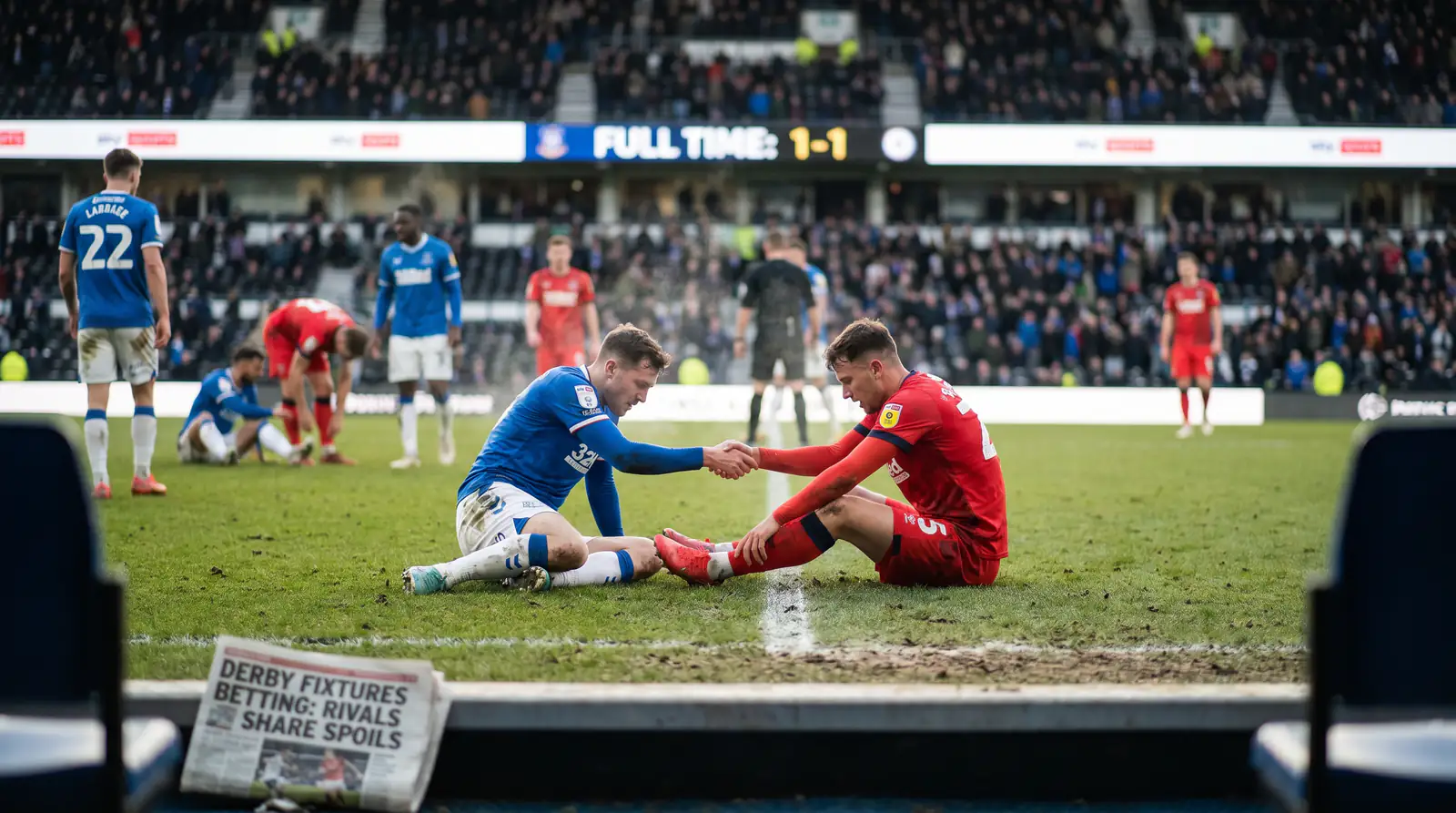
The market typically applies a “derby premium” to the draw price, shifting it shorter than it would be in a non-derby fixture between comparable teams. A non-derby match might have the draw at 3.50; the derby equivalent might have it at 3.10. The shift reflects the market’s awareness of the draw-friendly behavioural dynamics.
The question is whether the shift is sufficient. My data across recent EPL derby seasons suggests the draw rate runs around five percentage points above the non-derby rate for comparable team match-ups. The pricing shift typically captures three to four points of that gap, leaving a small but persistent edge on backing the draw in derbies.
The edge is most pronounced in derbies between two teams with comparable underlying strength. The biggest London derbies, the Manchester derby in seasons where the two sides are evenly matched, the Merseyside derby when both teams are similarly placed in the table — these are the fixtures where the draw bet most consistently delivers value.
The edge is least pronounced — sometimes negative — in derbies with one heavily-favoured side. A Manchester derby with one team in form and the other struggling has a different behavioural dynamic; the struggling side often plays even more defensively, accepting a loss as inevitable, while the favoured side has the freedom to attack with confidence. The draw probability isn’t elevated above the non-derby rate in these specific cases.
Cards and Tempo Markets in Derbies
The cards market in derbies is one of the most consistently profitable markets in football betting if you’ve done the work. The combined effect of heightened personal feeling, higher match tempo, and crowd-influenced refereeing produces card counts that systematically exceed the non-derby norm by twenty to thirty percent.
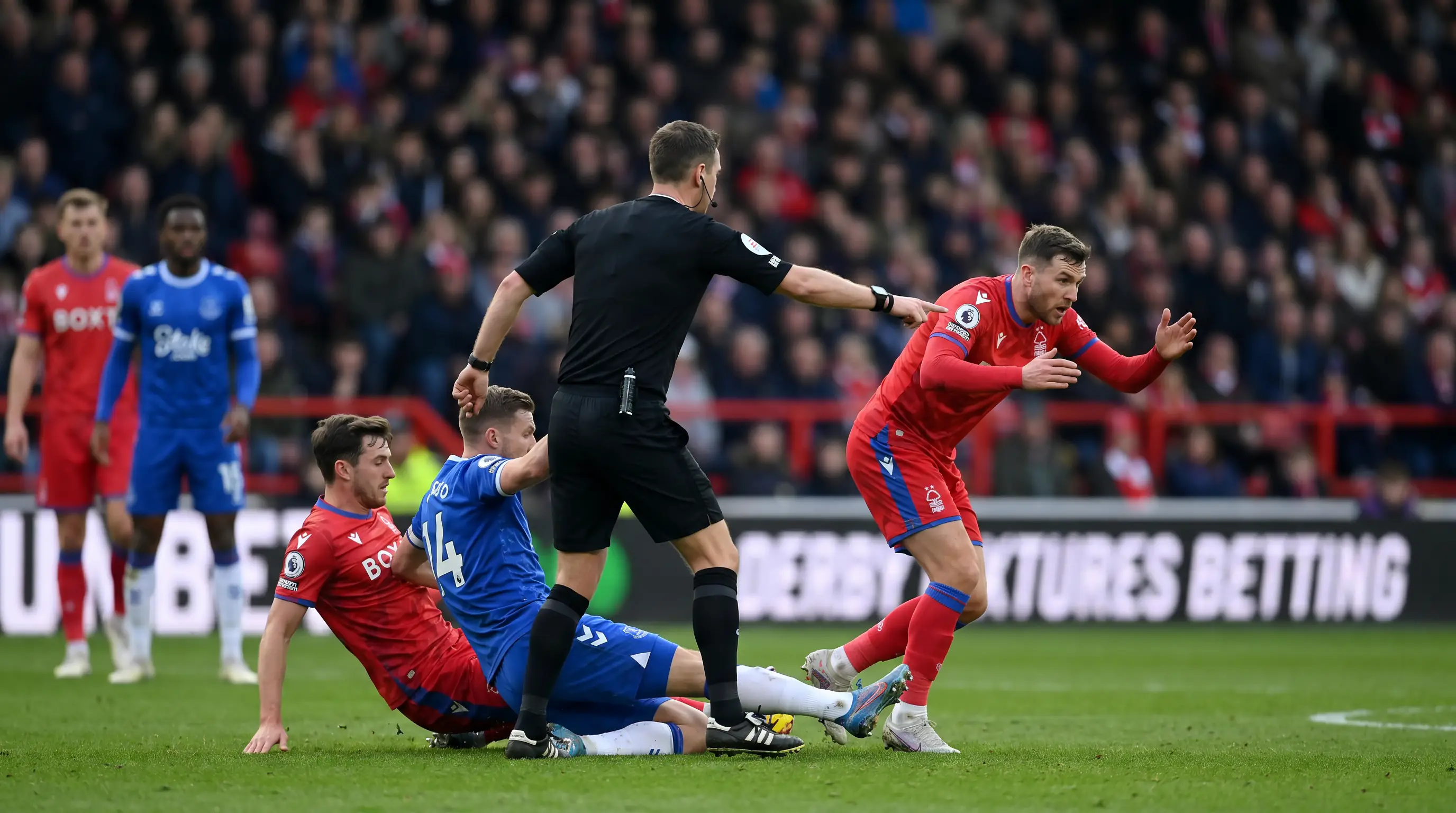
The bookmaker pricing on derby cards markets applies a derby-cards premium — typically pushing the total cards line from 4.5 to 5.5 or 6 — but the premium is often smaller than the actual card-rate increase warrants. Over-cards bets in derbies on the right referees are persistently profitable across a season.
The fouls market amplifies the same dynamic. Total fouls in derbies typically run twenty-five percent above non-derby averages for the same teams. The individual-player foul props on midfielders and fullbacks are where the most consistent over-bet edges live in derby fixtures.
The other tempo-driven derby market is corners. The combined intensity of derby attacking play, the willingness to commit numbers forward despite the risks, and the resulting set-piece pressure on both sides produces corner counts that run measurably above the non-derby rate. Over-corners betting in derbies is a persistent edge.
Half-time markets benefit from the same dynamics. The opening half-hour of a derby is typically more cautious than the rest, but the period from the thirtieth minute through halftime sees both sides increase their tempo as the match opens up. Cards-before-halftime markets on derby fixtures show a structurally higher rate than the operator’s per-minute card model would suggest.
Goalscorer Markets in Derbies
The goalscorer markets in derbies have their own specific dynamics that distinguish them from non-derby pricing. Players who score frequently in routine matches sometimes go quiet in derbies because the increased pressure affects their decision-making in the box. Other players have specific derby track records that the market doesn’t always fully price.
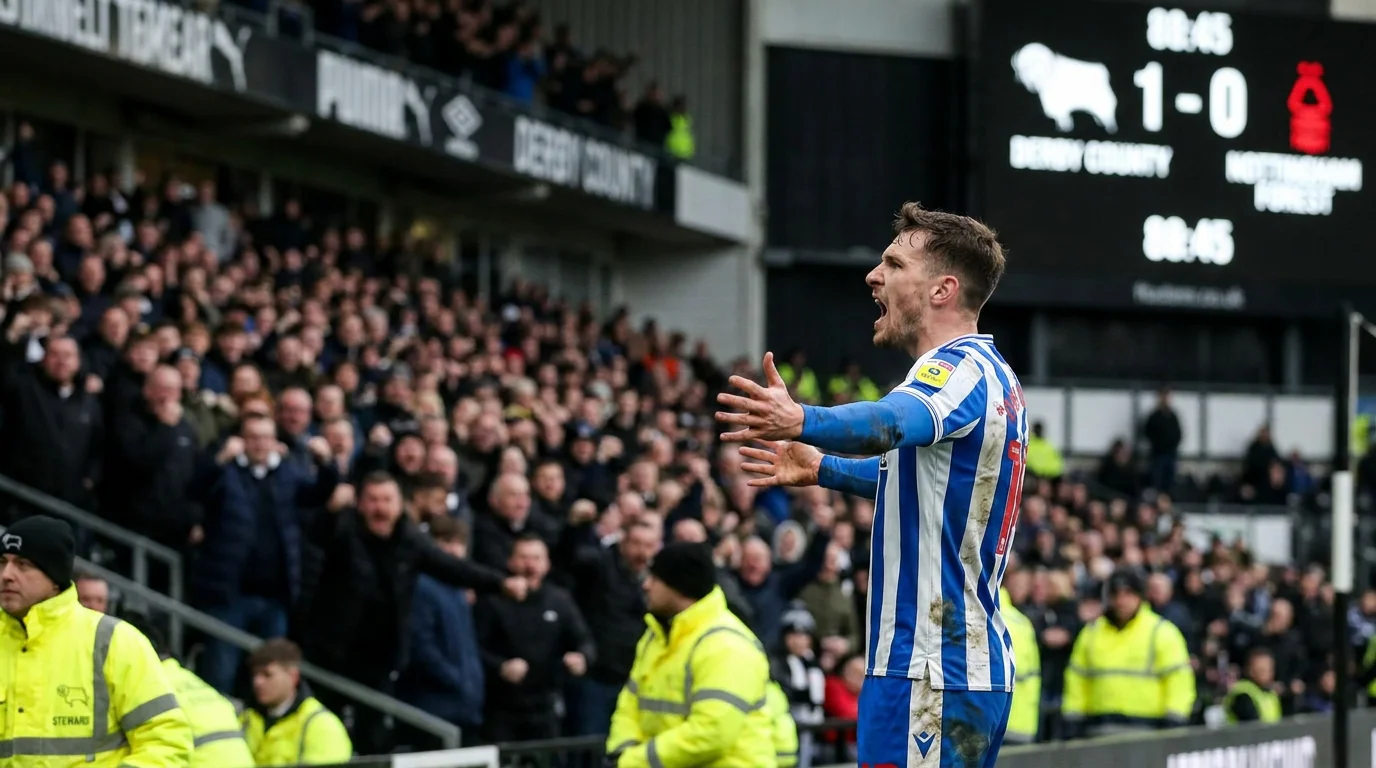
The historical-derby-scorer effect is real but small. Players who’ve scored multiple times in past derbies between specific clubs sometimes have small price premiums in subsequent derby fixtures, reflecting either genuine “derby specialist” effects or market over-reaction to memorable past performances. Distinguishing genuine effects from market over-reactions requires careful sample-size discipline — most “derby specialists” are coincidental patterns rather than genuine signals.
The more reliable derby-goalscorer angle is on set-piece specialists. Derbies tend to produce more set pieces than routine fixtures (because the foul count is higher and the corner count is higher), which gives players who score from set pieces more opportunities to convert. A central defender with a strong heading record and a track record of set-piece goals is structurally underpriced in derby goalscorer markets relative to their non-derby pricing.
The anytime-goalscorer market on the favoured side in a derby is often shorter than the non-derby equivalent because casual money favours the favourite’s strikers. The first-goalscorer market is the cleaner expression of derby-favourite scoring, because the conditional pricing (first, rather than anytime) is less heavily distorted by casual betting flow.
Cup Versus League Derbies
The dynamics of cup derbies — same teams, same stadium, but in a knockout cup competition rather than the league — differ from league derbies in ways that affect pricing. The knockout structure adds risk asymmetry: losing means elimination, drawing means extra time or a replay, winning means progression. Both teams’ behaviour shifts toward more cautious play in the early stages.
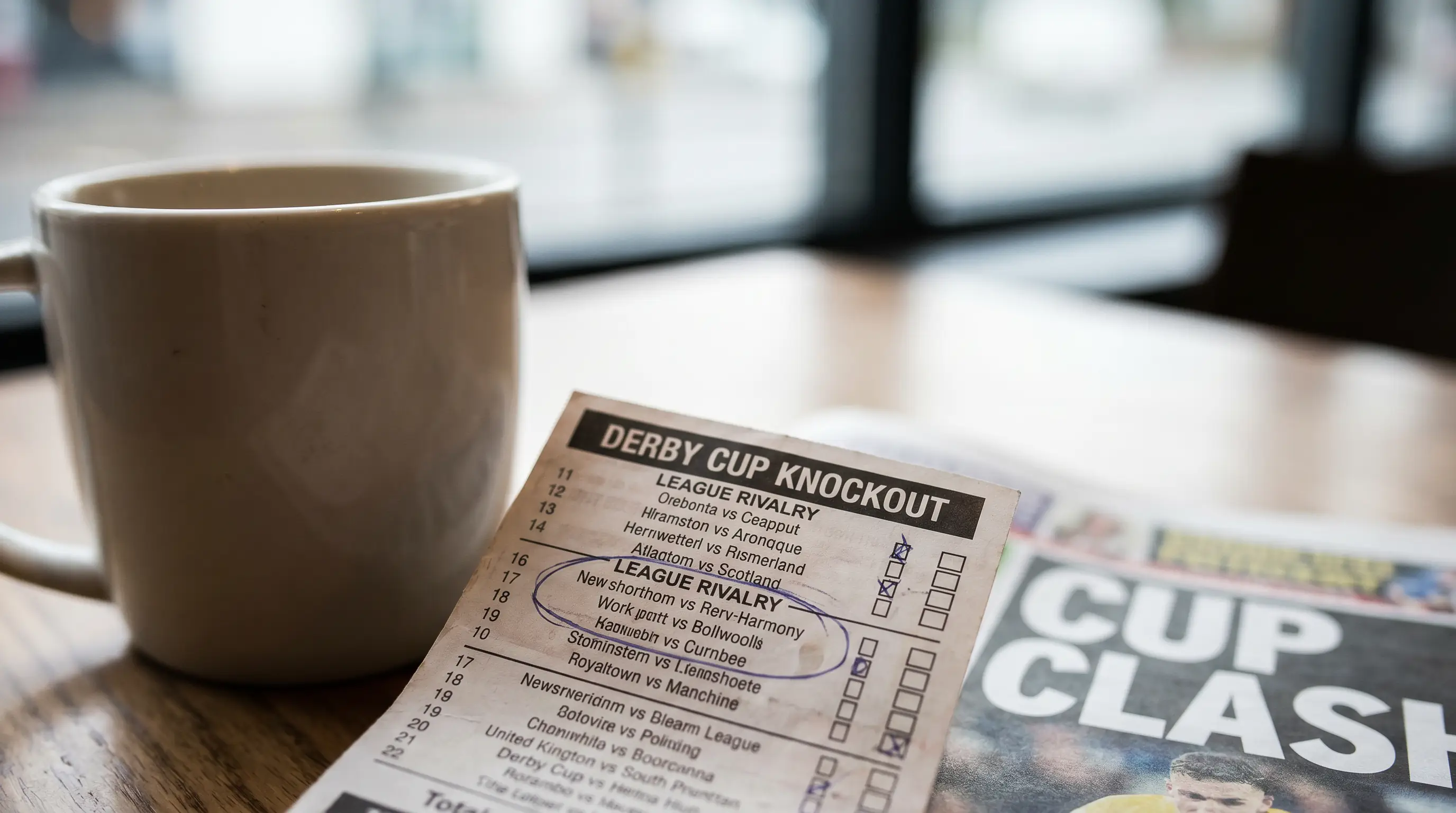
The market typically prices for cup-derby caution by shortening the draw price and lengthening the over-2.5 totals price. The pricing shift is usually appropriate, but in specific cases — when one side has been knocked out of European competition and treats the cup as their main remaining prize — the favoured side plays with more attacking commitment than the cup-caution premium reflects.
The other cup-derby angle is on the second leg of two-legged ties. When local rivals meet in two legs (as happens occasionally in European or EFL Cup ties), the second-leg dynamics depend heavily on the first-leg result. A first-leg drawn match produces a tense second leg with elevated card and foul rates; a first-leg one-sided result produces a more cautious second leg where the losing side often picks itself up for pride.
The Wembley derby — a derby played in a one-off cup final at a neutral venue — combines derby intensity with neutral-ground dynamics. The crowd weight on Wembley is more evenly distributed than at either club’s home ground, which reduces the home-crowd influence on refereeing but maintains the personal intensity between players. The card and tempo markets retain their derby characteristics; the home-advantage markets do not.
For the related question of how the European-night dynamic affects Premier League sides during midweek continental fixtures — and how that interacts with weekend derby preparation — see the piece on European nights betting for EPL clubs.
